If you’re in need of contact lenses, it’s essential to find a reputable ophthalmologist in Atlanta who can provide expert care and guidance. Contact lenses are a popular and convenient vision correction option, but proper fitting and prescription are crucial to ensure optimal vision and eye health. In this article, we’ll discuss the key factors to consider when choosing an ophthalmologist for contact lens fittings and prescriptions in Atlanta.

Credentials and Experience
When selecting an ophthalmologist for contact lens fittings, it’s important to check their credentials and experience. Look for a board-certified ophthalmologist who has specialized training in contact lens fitting and is knowledgeable about the latest advancements in contact lens technology.
Specialization in Contact Lens Fitting
Opt for an ophthalmologist who specializes in contact lens fitting. They should have extensive experience in assessing the unique needs of each patient, selecting the most suitable type of contact lenses, and ensuring a proper fit for optimal comfort and vision correction.
Comprehensive Eye Exam
A thorough eye examination is a crucial part of the contact lens fitting process. The ophthalmologist should perform a comprehensive evaluation of your eye health, including measuring your visual acuity, assessing your cornea’s shape and curvature, checking your tear film quality, and evaluating your overall eye health. This will help them determine the right type of contact lenses for your specific needs.
Customized Approach
Each individual’s eyes are unique, and their contact lens requirements may vary. Look for an ophthalmologist who takes a personalized and customized approach to contact lens fitting. They should consider factors such as your lifestyle, occupation, and any specific eye conditions or concerns you may have to recommend the most appropriate type of contact lenses.
Range of Contact Lens Options
A reputable ophthalmologist should offer a wide range of contact lens options to cater to different needs. This may include daily disposable lenses, monthly lenses, toric lenses for astigmatism, multifocal lenses, or specialized lenses for conditions like dry eyes. The ophthalmologist should explain the pros and cons of each option and help you make an informed decision based on your preferences and visual requirements.
Ongoing Support and Follow-up Care
Contact lens fitting is not a one-time event but an ongoing process. Ensure that the ophthalmologist provides regular follow-up visits to monitor the fit, comfort, and overall health of your eyes. They should be accessible for any concerns or issues you may have and provide prompt support and guidance.
Patient Reviews and Recommendations
It’s always beneficial to read patient reviews and seek recommendations from friends, family, or trusted sources. Look for positive feedback regarding the ophthalmologist’s expertise in contact lens fitting, professionalism, and patient satisfaction. This can give you confidence in your decision-making process.
Insurance Coverage
Check if the ophthalmologist accepts your insurance plan for contact lens fittings and prescriptions. It’s important to understand your coverage and any out-of-pocket expenses you may incur.
Technology and Facilities
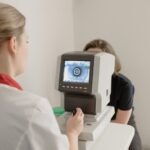
Consider the technology and facilities available at the ophthalmologist’s practice. Advanced diagnostic equipment and modern facilities can contribute to a more accurate and efficient contact lens fitting process.
Comfort and Trust
Last but not least, trust your instincts and consider the comfort level you feel with the ophthalmologist. Effective communication, empathy, and a positive doctor-patient relationship are crucial for a successful contact lens fitting experience.
When choosing an ophthalmologist in Atlanta for contact lens fittings and prescriptions, consider factors such as their credentials, experience, specialization, personalized approach, range of contact lens options, ongoing support and follow-up care, patient reviews, insurance coverage, technology and facilities, and the comfort and trust you feel with the ophthalmologist. By prioritizing these factors, you can make an informed decision and find an ophthalmologist who will provide expert care and guidance for your contact lens needs. Remember to schedule regular follow-up visits and practice proper contact lens hygiene to maintain healthy eyes and optimal vision.