If you’re experiencing respiratory symptoms or have been diagnosed with a lung condition, you may be referred to a pulmonologist. But what exactly does a pulmonologist do, and how can they help you? In this article, we will delve into the role of pulmonologists, their areas of expertise, and the conditions they treat.
Pulmonology is a medical specialty that focuses on the diagnosis, treatment, and management of diseases and conditions affecting the respiratory system. This includes the lungs, airways, and respiratory muscles. Pulmonologists, also known as pulmonary specialists, undergo specialized training to become experts in this field.
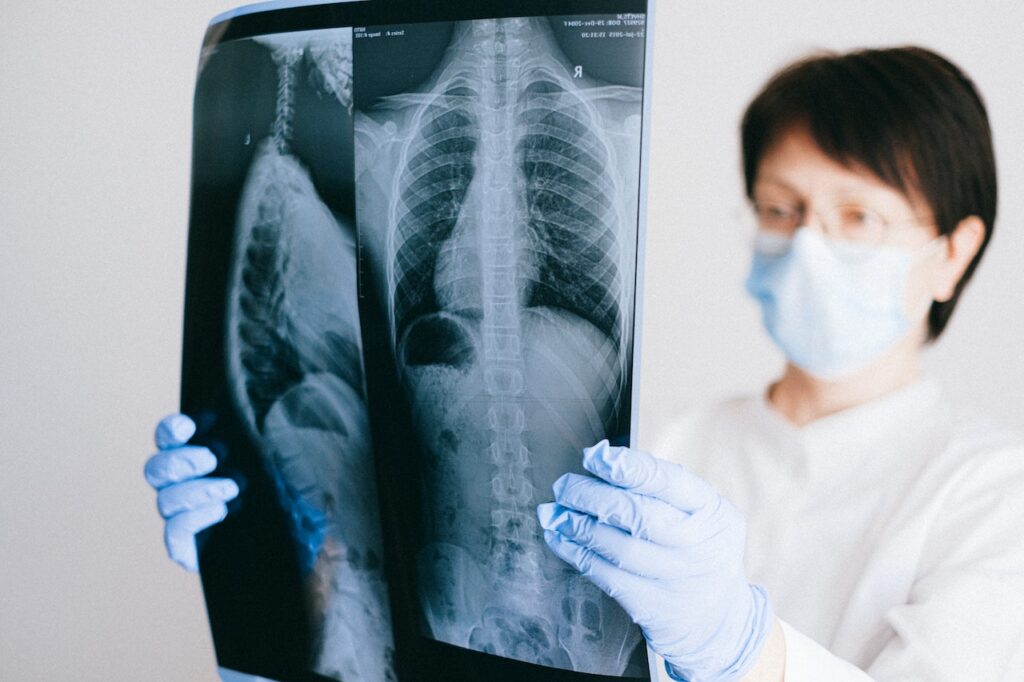
Here are some key aspects of what a pulmonologist does:
Diagnosis and Treatment of Lung Conditions
Pulmonologists are skilled in diagnosing and treating a wide range of lung conditions, such as asthma, chronic obstructive pulmonary disease (COPD), pneumonia, bronchitis, and lung cancer. They use various diagnostic tools and techniques, including pulmonary function tests, imaging studies, bronchoscopy, and biopsies, to assess lung health and identify the underlying cause of symptoms.
Management of Chronic Respiratory Conditions
Pulmonologists play a crucial role in managing chronic respiratory conditions that require long-term care. They work closely with patients to develop personalized treatment plans that may include medications, inhalers, oxygen therapy, pulmonary rehabilitation, and lifestyle modifications to improve lung function and quality of life.
Interventional Procedures
Pulmonologists are trained to perform interventional procedures to diagnose and treat lung diseases. These procedures may include bronchoscopy, where a thin tube with a camera is inserted into the airways to visualize and obtain samples for further analysis. They may also perform minimally invasive procedures like thoracentesis to drain fluid from the chest cavity or place chest tubes to treat certain conditions.
Sleep Medicine
Many pulmonologists have specialized training in sleep medicine, as sleep disorders can often be linked to respiratory issues. They evaluate and manage sleep-related disorders such as sleep apnea, insomnia, narcolepsy, and restless leg syndrome. Pulmonologists may prescribe continuous positive airway pressure (CPAP) therapy or recommend lifestyle changes to improve sleep quality.
Critical Care
Pulmonologists often work in intensive care units (ICUs) and provide critical care to patients with severe respiratory illnesses, including acute respiratory distress syndrome (ARDS), respiratory failure, and sepsis. They are trained to manage mechanical ventilation, administer life-supporting interventions, and ensure optimal oxygenation and ventilation for critically ill patients.
Smoking Cessation
Pulmonologists play a vital role in promoting smoking cessation and helping patients quit tobacco use. They provide counseling, support, and appropriate medications to aid in smoking cessation efforts. Quitting smoking is essential to reduce the risk of developing or worsening respiratory conditions and improve overall lung health.
Collaborative Approach
Pulmonologists often work in collaboration with other medical specialists, such as allergists, cardiothoracic surgeons, oncologists, and primary care physicians. This multidisciplinary approach ensures comprehensive and coordinated care for patients with complex respiratory conditions.
When should you consider seeing a pulmonologist? If you experience persistent respiratory symptoms such as shortness of breath, chronic cough, wheezing, chest pain, or recurrent respiratory infections, it is advisable to seek a referral from your primary care physician. Additionally, if you have a known lung condition or require specialized care, a pulmonologist can provide expert evaluation and management.
Pulmonologists play a critical role in diagnosing, treating, and managing various lung conditions and respiratory disorders. From conducting diagnostic tests to providing specialized interventions, they are dedicated to improving lung health and enhancing patients’ quality of life. If you’re facing respiratory challenges, consulting with a pulmonologist can be an essential step towards getting the care and support you need to breathe easier.
